


Wooden Pallets Marketplace
Add a review FollowOverview
-
Founded Date June 8, 1923
-
Sectors Restaurant / Food Services
-
Posted Jobs 0
-
Viewed 47

Company Description
Used Pallets For Sale Tools To Improve Your Daily Life Used Pallets For Sale Trick That Everyone Should Know
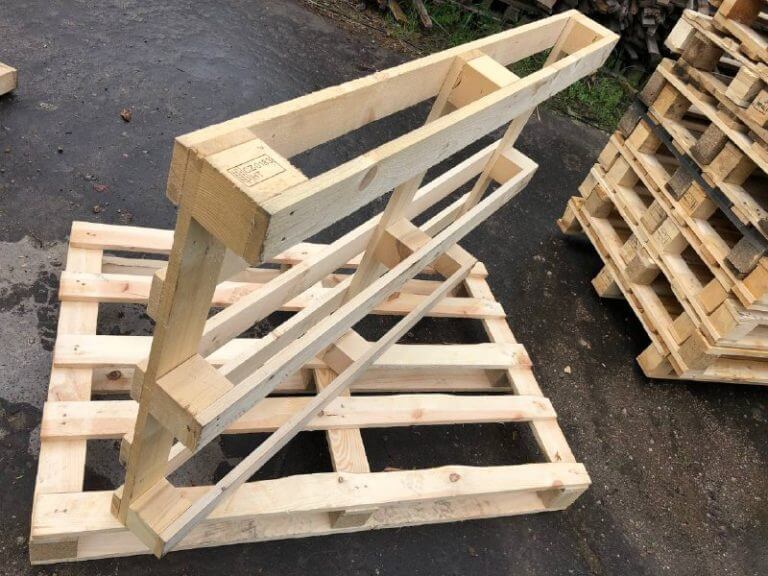
Used Pallets for Sale: A Comprehensive Guide for Businesses
In the dynamic world of logistics and transport, pallets play a vital role. They facilitate the easy motion of items, ensuring that whatever from a little package of medical materials to huge equipment reaches its destination effectively. While new pallets are typically preferred for their pristine condition, used pallets present an economical and environmentally friendly alternative. This article will check out the advantages of used pallets, where to find them, types available, and key factors to consider for businesses aiming to purchase this resource.
What Are Used Pallets?
Used pallets are wooden, plastic, or metal platforms that have actually been formerly made use of to carry items. They are frequently sold at a fraction of the expense of new pallets, making them an attractive choice for organizations seeking to conserve cash without jeopardizing on quality. Nevertheless, it’s vital to make sure the used pallets satisfy needed safety standards and fit the specific requirements of business.
Why Choose Used Pallets?
| Advantages | Description |
|---|---|
| Cost-efficient | Used pallets are significantly cheaper, allowing business to save money. |
| Eco-friendly | Getting used pallets minimizes waste and is a sustainable choice. |
| Readily Available | Lots of suppliers offer a considerable stock of used pallets for instant use. |
| Versatile Options | Readily available in various sizes and materials, catering to varied needs. |
| Durable | Lots of used pallets are still robust and can deal with considerable weight. |
Kinds Of Used Pallets
When thinking about used pallets, it’s important to comprehend the various types readily available. Here’s a breakdown of the most typical materials and their primary usage cases:
| Type | Product | Use | Pros | Cons |
|---|---|---|---|---|
| Wooden Pallets | Wood | General warehousing and shipping | Strong, commonly offered, naturally degradable | Vulnerable to bugs, may need treatment for wetness. |
| Plastic Pallets | Plastic | Food, pharmaceuticals, and chemicals | Lightweight, resistant to wetness, easy to tidy | Higher preliminary cost than wood, may not be as widely readily available. |
| Metal Pallets | Metal | Heavy-duty industrial use | Exceptionally resilient, efficient in bearing heavy loads | Heavier than others, more costly, can be more difficult to handle. |
| Composite Pallets | Composite | Mixed-use | Integrates advantages of wood and plastic, typically recyclable | Might not be as strong as metal; chemical properties vary. |
Where to Buy Used Pallets
Finding quality used pallets requires knowing where to look. Here are some common options for sourcing these items:
-
Local Pallet Suppliers: Many regions have companies that concentrate on selling used pallets. These suppliers often have a robust stock and can provide information on types and quality.
-
Online Marketplaces: Websites like Craigslist, eBay, or specialized industrial surplus sites often note used pallets for sale. This alternative provides a broad variety of prices and conditions.
-
Auctions: Industrial auctions often include used pallets, allowing businesses to bid on big lots at potentially lowered costs.
-
Recycling Centers: Some centers that focus on materials recycling may have used pallets readily available for sale. It serves both sustainability goals and expense savings.
-
Warehouse Liquidations: When business downsize or close, their inventory– consisting of used pallets– may be sold at discounted rates.
Key Considerations When Buying Used Pallets
When buying used pallets, organizations need to never ever overlook important points that might affect their operations. Here are essential considerations:
- Condition: Always check the pallets for damage, rot, or any indications of pest invasion.
- Size: Determine the size required for carrying goods efficiently. Typical sizes consist of 48″x40″ for basic deliveries.
- Weight Capacity: Verify that the pallets can manage the weight of the items being transported.
- Regulative Requirements: Be aware of any industry-specific regulations concerning pallet products and treatments (e.g., ISPM 15 for wood).
- Cost Comparison: Gather quotes from several providers to make sure competitiveness.
- Shipment Options: Consider whether the supplier uses delivery services, as this could conserve logistics costs and time.
FAQs About Used Pallets
1. Are used pallets safe for shipping food items?
Yes, if they are cleaned and sterilized appropriately and comply with health policies. Plastic pallets are often chosen in the food industry for this reason.
2. Just how much can I expect to pay for used pallets?
Costs can differ commonly based upon condition, type, and source, but services often find used pallets varying from ₤ 5 to ₤ 15 each. Bulk purchases may yield further savings.
3. Can used pallets be repaired?
Yes, lots of used pallets can be repaired, extending their life and functionality. It often includes changing damaged boards or strengthening joints.
4. How can I tell if a used pallet remains in excellent condition?
Inspect the pallets for noticeable damage, such as fractures, warping, or missing boards. Consider the weight limitations and look for pest treatments if they are wooden.
5. How can I deal with old pallets properly?
Recycling is one of the best methods to get rid of old pallets. Many recycling centers accept them, or they can be repurposed for creative uses like furniture or garden jobs.
Used pallets offer considerable benefits for services seeking to minimize expenses and promote sustainability. While picking the ideal kind of used pallet may require some diligence, the benefits far exceed the obstacles. With extensive examinations, clever sourcing, and notified decisions, business can take advantage of used pallets to improve their functional effectiveness and save significantly on logistics costs. Whether through local suppliers or online platforms, the opportunity to harness this resource is both prevalent and lucrative.
